
Maren Ehlers
Assistant to the Management Board
Phone: +49 4262 93 12 - 0
maren.ehlers@mwteam.com

MTI Trend Study 2026 – Leadership in Transition: What Leadership Needs Today—and Why Implementation Often Fails Companies know what good leadership requires—but in day-to-day operations, they often lack the time and the right conditions. The MTI Trend Study 2026 reveals the skills leaders will need in the future, the obstacles that hinder their development, and why leadership development must be approached with a more systemic mindset.

Digitalization and AI, the shortage of skilled workers, and economic uncertainty are changing the demands placed on leadership. What skills will leaders need in the future—and what is preventing companies from developing them?
Why does so much training remain theoretical, and what helps people turn new knowledge into lasting behavior? In this practical webinar, Danish Parvez explores how learning and transfer are changing in the age of AI. You will discover why traditional training alone is often not enough, how safe and repeatable practice supports real behavioral change, and what individuals, teams, and managers can do to strengthen the transfer of learning into everyday work.

Hybrid learning journeys, digital formats, and AI are opening up new possibilities for sustainable development. Find out in our latest blog post which trends we picked up at Zukunft Personal Europe and why effective talent development depends on the right combination of people, learning, and technology—including a brief interview with Hans-Peter Machwürth.

Today, long-term decisions are made in an environment that is changing at an ever-faster pace. But how can a company develop a strategy that keeps it capable of acting even when markets shift, technologies change, and new competitors alter the established rules of the game? Our article shows how clear priorities, verifiable assumptions, and consistent implementation provide direction.

How can CRM go from being a mandatory requirement to a helpful work tool? Five strategies can help increase its acceptance in day-to-day work: tangible benefits, simple processes, clear standards, leadership by example, and active employee participation.

Why is knowledge gained from training so often not applied in everyday work? Learn how MTI Conversa supports the transfer of learning through realistic training, feedback, reflection, and repetition.

Sustainability isn’t demonstrated through individual projects, but through a commitment to continuous improvement every day. Read about the steps we’ve taken since embarking on our sustainability journey—and how we apply this mindset to our collaboration with our customers.
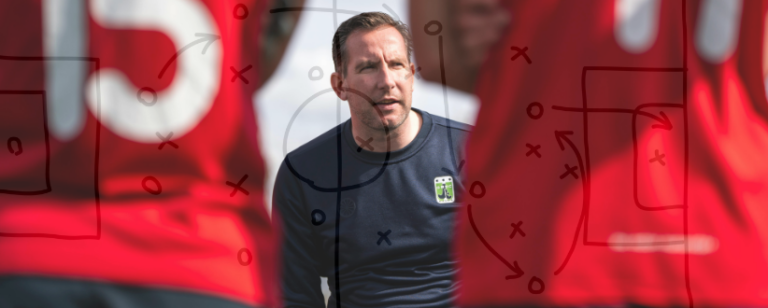
What do top soccer coaches like Vincent Kompany and Niko Kovač have in common with successful sales managers? More than you might think at first glance.

Today, making CRM effective means much more than simply having a system for contact management or sales documentation. In many companies, CRM has long been an integral part of the IT infrastructure—and yet its actual benefits often fall short of expectations.

Intercultural Collaboration: Challenges, Strategies, and Practical Examples Intercultural collaboration is no longer a niche topic but an integral part of the modern workplace. International projects, virtual teams, and cross-location collaboration bring together people with different cultural backgrounds, experiences, and work styles—often under intense time pressure and with increasing complexity. Yet the challenges that arise rarely stem from a lack of professionalism or commitment.

In many companies, the careers of ambitious project managers end in a dead end at some point - because traditional management careers rarely match the requirements of modern project work. But if you want to be successful in the long term, you need clear development paths for project management skills.

The shortage of specialists and managers will become more acute. Companies therefore need a talent management system that ensures they have the necessary skills in the future.